
In partnership with

DISCLAIMER: Hi subscribers! I know I don’t normally self-publish news here, but I’m making an exception. I’d hoped to get a bigger platform, but the timeline to take action is too tight to wait, so I’m using what I got. After this, look for the next edition of The Nerdery in March!
In early February, the Alaska Department of Natural Resource’s Division of Oil and Gas (DO&G) sent a notice that shocked communities along Alaska’s Arctic coastline – millions of acres may be opened up for oil leases and development this summer, including public lands in the Arctic National Wildlife Refuge (ANWR).

Under a clear blue sky, a caribou in the Teshekpuk herd walks her calf across the Arctic Coastal Plain.
The changing seasons are already dramatic in this place. The sun only just returned from a months-long hiatus. Now, residents along the coast of the Beaufort Sea to Kaktovik are reeling from the news that they have mere weeks to respond to a plan to offer up “all available state acreage” in one of the most pristine wild spaces in the country. The DO&G set the deadline for impacted communities to send new information about the push for March 10, 2026.
SUBMIT A COMMENT BY MARCH 5:
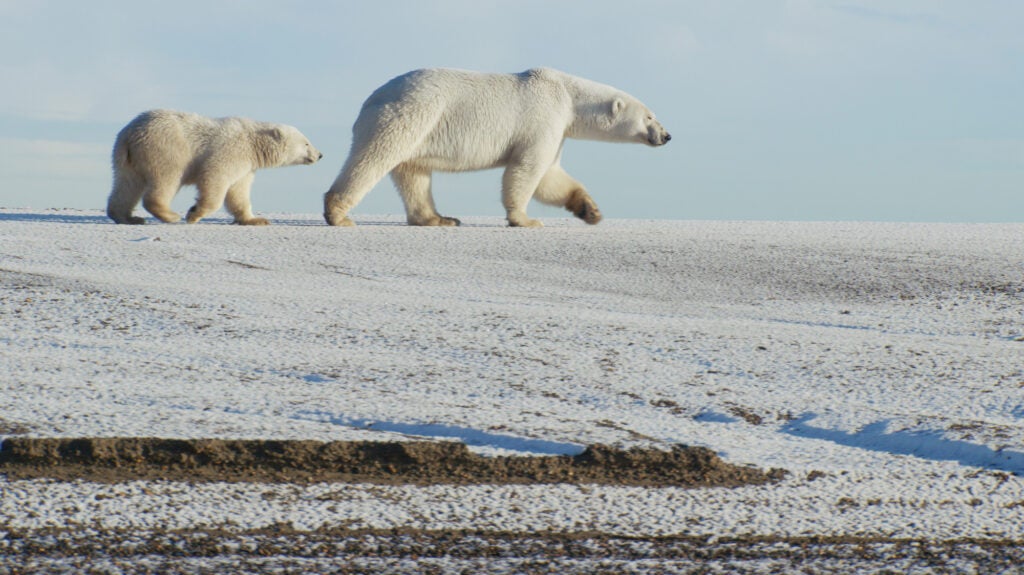
Tentatively scheduled for the summer of 2026, the new oil leases sales would open the entire Coastal Plain to oil and gas development, jeopardizing an extremely sensitive ecosystem that is already seeing the effects of the climate crisis. It stretches from the border with Canada, spans the ANWR, and all state lands between Anaktuvuk Pass and the Colville River, covering 14.4 million acres to Utqiagvik (Barrow) and most of the land surrounding Prudhoe Bay.
Smart starts here.

You don't have to read everything — just the right thing. 1440's daily newsletter distills the day's biggest stories from 100+ sources into one quick, 5-minute read. It's the fastest way to stay sharp, sound informed, and actually understand what's happening in the world. Join 4.5 million readers who start their day the smart way.
Trump admin abandons agreement
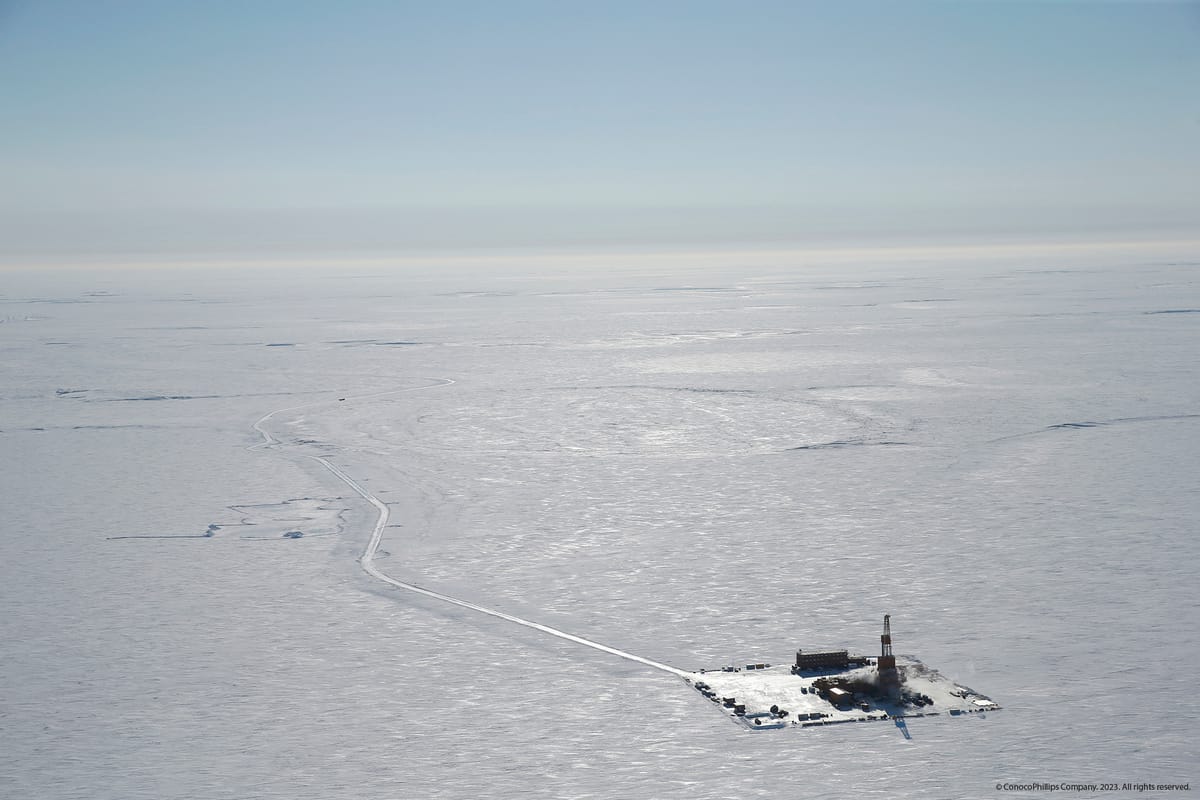
Just two months earlier in December, the Trump administration abruptly tossed out an agreement with the Iñupiaq village of Nuiqsut that enabled local leaders to restrict oil development near the caribou calving grounds at Teshekpuk Lake, which is one of the most ecologically diverse areas in the region and a crucial source of traditional food for Indigenous communities. Now, the village is now suing and awaiting the response of a federal judge. Meanwhile, oil developments continue near their doorstep as the Willow Project, ConocoPhillips, and an Australian oil project dubbed Pikka begin construction amid a frenzy of investment.
Caribou are an integral part of the culture across Alaska’s North Slope, where many residents rely on them for subsistence. There are nearly 60,000 caribou in the Teshekpuk herd, which draws its name from the massive, 22-mile-wide lake where their calves are born and take their first clumsy steps into the nearby tundra and wetlands. The lake and wetlands are also an essential part of an internationally important migratory bird area — the East Asian-Australasian Flyway, providing vital habitats for thousands of migratory birds, shorebirds, and waterfowl.
.png)
The Teshekpuk Lake Special Area, situated on Alaska’s North Slope, is one of the most ecologically important Arctic wetland systems in North America. Recognized for its high conservation value, the area encompasses extensive tundra landscapes shaped by permafrost, shallow lakes, and wetlands. These habitats are important for migratory birds, including substantial populations of waterfowl, and serve as calving grounds for the Teshekpuk caribou herd. This data visualization shows Teshekpuk Lake and its surrounding area, using the Copernicus Global Land Cover 2020 product (CGLC) from the European Union’s Copernicus Land Monitoring Service.
This critical cultural site, located in the National Petroleum Reserve and the Arctic Circle, is also currently threatened by the effects of climate change. The shallow, fresh water lakes face saltwater contamination due to rapidly disappearing sea ice. Thawing permafrost and historic storms are altering the terrain. Always, there’s an ever present risk of spills from the existing rigs, the Willow Project, and the new ConocoPhillips project that would pump oil within view of homes in Nuiqsut. New oil leases and extraction would magnify these risks and climate impacts across the North Slope and worldwide.
Climate change complicates construction
The effects of a warming climate also present a significant challenge to developing the area, which frequently contends with hazards ranging from accelerating coastal erosion to sea ice that moves with the wind, currents, and tides and can damage rigs and tankers carrying crude oil. In the last year alone, an undersea offshore fiber optic cable has been severed twice, leaving thousands without Internet access. A spill in the frigid Beaufort Sea would disrupt a delicate ecosystem and endanger the Bowhead and beluga whales that are also crucial to Iñupiat people.
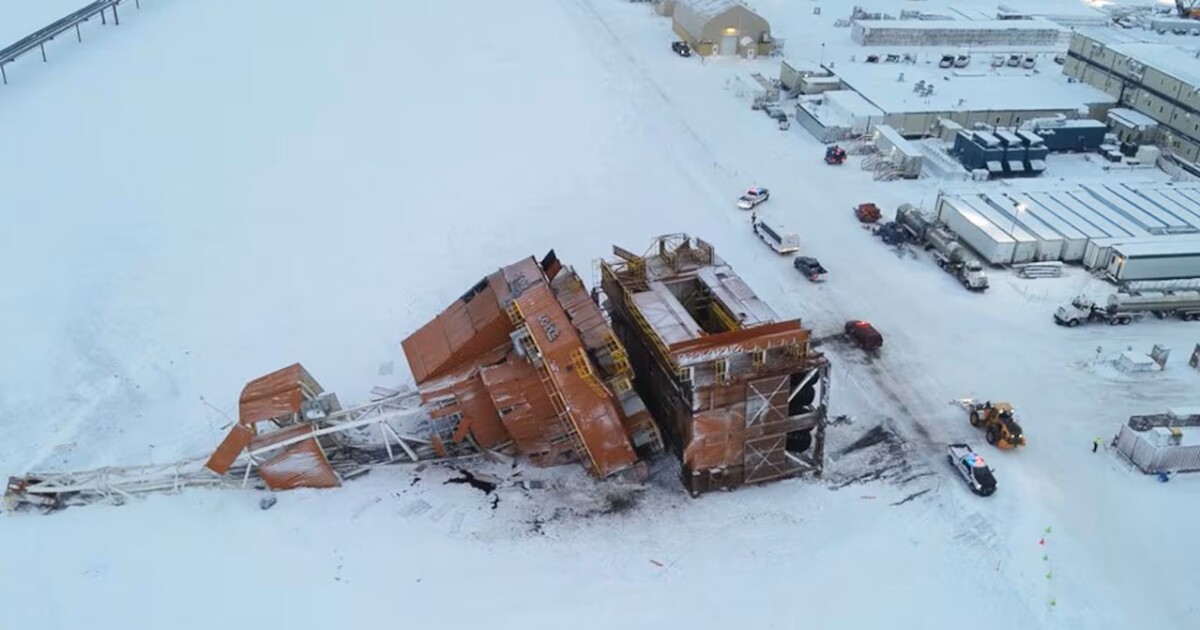
On land, many of these regions don’t have roads, and those that do are still difficult to traverse. In January, an oil rig – a 10 million-pound machine nicknamed “The Beast” – was moving along a gravel road near Nuiqsut when it crashed to the frozen ground, spilling glycol and diesel fuel on the tundra a few miles out of town. Previously a long-distance record-setter, it is now unsalvageable and will be dismantled and recycled.
Over the last several decades, oil interests and construction moved closer and closer to the Teshekpuk Lake Corridor, with new roads, rigs, and pipelines under construction in nearby Prudhoe Bay – the nation’s largest oilfield. Residents say that while many conservation organizations are focusing on protecting the ANWR, oil companies don’t seem as interested in leasing and developing that area as the Teshekpuk Lake region. Insiders estimate the caribou calving grounds could be impacted within the next few years, devastating both the Alaska Native communities who rely on it for food and cultural traditions as well as the wildlife living there.
Shifting legal grounds
The legal landscape is also vastly different this year. Recently, lawmakers utilized the Congressional Review Act (CRA) to strip protections from millions of acres of public lands, undoing agency rules and past precedents designed by land management experts to protect the environment and public health. Before last year, Congress had never used the CRA in this way, but the Trump administration is using it to get around the 60-day lookback period in order to quickly maximize oil extraction and mining on public lands that were previously protected.
A six-year-old lawsuit challenging the federal plan to drill in the nation’s largest and northernmost wildlife refuge was also dropped earlier in February. A spokesman for the 15 Democratic-led states who joined the suit – California, Connecticut, Delaware, Illinois, Maine, Maryland, Massachusetts, Michigan, Minnesota, New Jersey, New York, Oregon, Rhode Island, Vermont and Washington – said the coalition remains committed to opposing the plan; however, recent actions in Congress and the administration “require a new course of action.”
“We are evaluating the best path forward to continue to advocate for a clean and healthy Arctic, including supporting the litigation of Alaska Native organizations and community groups.”

A separate lawsuit filed by three Alaska Native tribal entities in 2020 was renewed in January, calling Trump’s oil and gas leasing plan an “unlawful” program to “prioritize profit over people.” The Deepwater Horizon disaster in the Gulf Coast in 2010 served as a cautionary tale of how difficult it can be to stem the flow after a catastrophe — and Arctic leaders warn the Beaufort sea is a tempest that technology cannot contend with.

A caribou looks toward the viewer, with a young calf nearby and a caribou in the far distance.
Like what you read? You can support this writer directly with a tip, by subscribing for free, or purchasing a paid subscription! Follow me on Bluesky for more news + discussion.